Welcome to
I-CREWS
Idaho Community-engaged Resilience for Energy-Water Systems (I-CREWS) is a $24 million NSF EPSCoR research project that aims to address the consequences of meteorological, population, and technological change on energy-water (E-W) systems.
Storing Idaho’s Future
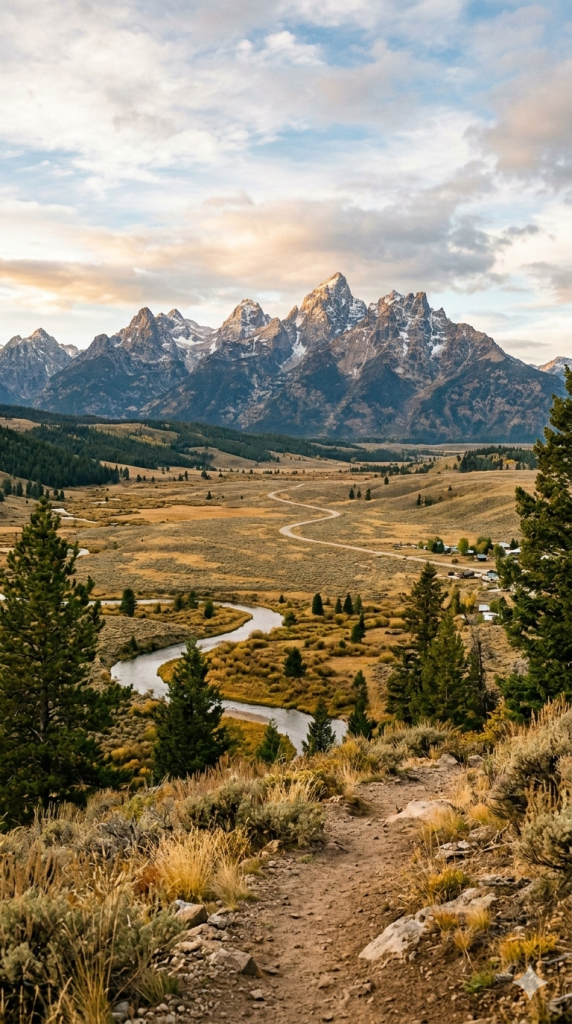
With Idaho’s population on track to hit 2.3 million by 2034, the race is on to secure the state’s most precious resources: water and energy. Traditional reservoirs aren’t the only answer. A collaborative team from Idaho State University and Boise State University is heading underground to investigate a “new-to-Idaho” solution: Subsurface Dams. By capturing spring snowmelt in high mountain aquifers, these hidden barriers could:
Protect the Landscape: Store massive amounts of water without the environmental footprint of massive surface dams.
Prevent Evaporation: Keep water cool and clean without losing a drop to the sun.
Generate Power: Harness elevation changes for hydroelectric energy.
Collaborators
Researchers from University of Idaho, Boise State University, Idaho State University, the Coeur d’Alene Tribe and the Shoshone Bannock Tribes are leading the award in collaboration with utility companies, state and federal government agencies, and Idaho cities and counties. Researchers will work to identify energy and water use strategies that will be resilient to Idaho’s changing needs, based on ongoing feedback from communities.

Workforce Development
I-CREWS emphasizes workforce development and student training through community-engaged courses and projects. These initiatives, co-created with community members, address issues related to energy-water systems, fostering a high-context and impactful learning environment.